
Choosing the right plant model makers is important when the model needs to represent a complex industrial facility accurately.
More than two decades in scale model manufacturing and customized development.
We work with engineering drawings, CAD files, layouts, 3D models, photographs, and technical information to understand the facility before developing the physical model.
Plant models can be developed according to specific scale ratios, dimensions, component details, materials, finishes, and presentation requirements.
Our manufacturing process combines digital design, fabrication, assembly, finishing, and quality inspection to create detailed physical representations.
Depending on requirements, models can incorporate LED lighting, moving components, rotating equipment, process-flow simulations, automation, digital displays, and interactive controls
We manage the model-making process from requirement analysis and design through fabrication, assembly, quality inspection, delivery, installation, and commissioning.
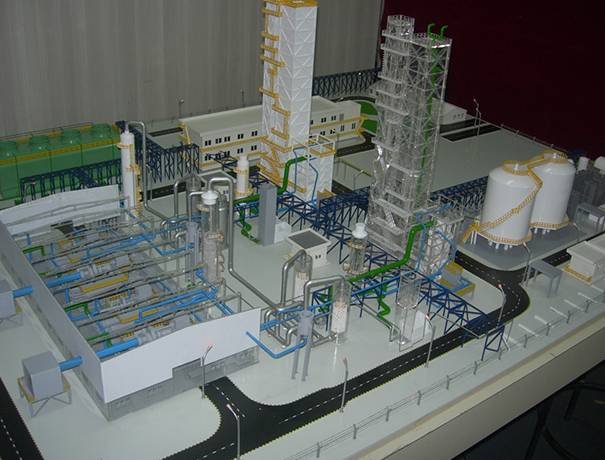
Precise Engineering Models is an experienced manufacturer of industrial plant models, specializing in the design and manufacture of detailed models, including plant-scale, process, power, refinery, and manufacturing plant models.
With more than 20 years of experience, we combine engineering understanding, 3D CAD development, precision fabrication, assembly, finishing, and installation to create customized physical representations of complex industrial facilities.
Our plant models help engineering companies, EPC contractors, manufacturers, infrastructure developers, government organizations, and other stakeholders visualize facilities, understand processes, demonstrate systems, support training, present projects, and communicate complex engineering concepts.
An industrial plant can contain hundreds of interconnected structures, machines, pipelines, vessels, utilities, equipment, and process systems. A detailed physical model brings these elements together into a clear and tangible representation. Each model is developed according to the project’s scale, dimensions, engineering data, level of detail, materials, finishes, functionality, and intended application.
Complete industrial facilities, Production plants, Processing facilities, Power generation facilities, Refineries, Chemical plants, Manufacturing plants, Oil & gas facilities, Infrastructure and utility systems, Process and material-handling facilities.
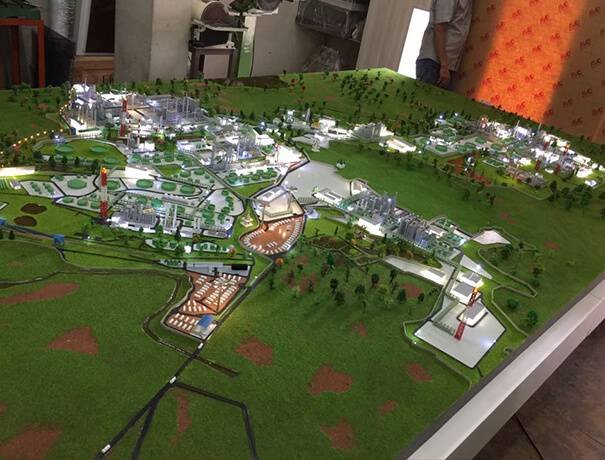
Detailed physical representations of power generation facilities, equipment, structures, layouts, and supporting systems.
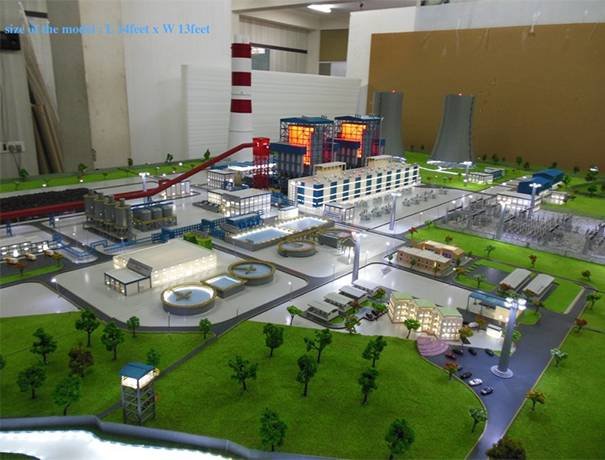
Customized refinery scale models showing major plant structures, processing areas, equipment, pipelines, storage systems, and associated facilities.
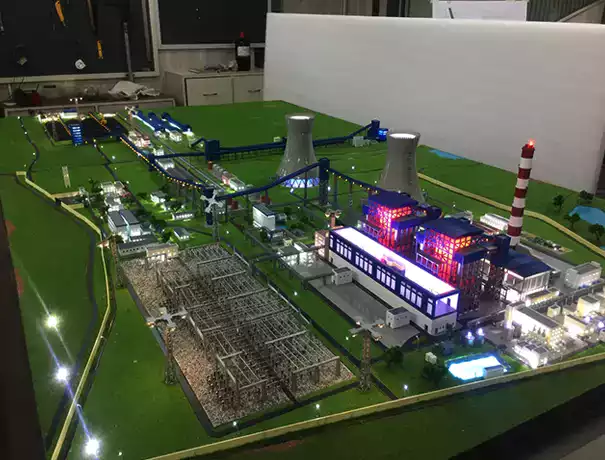
Models that represent manufacturing facilities, production lines, machinery, material movement, utilities, and supporting infrastructure.
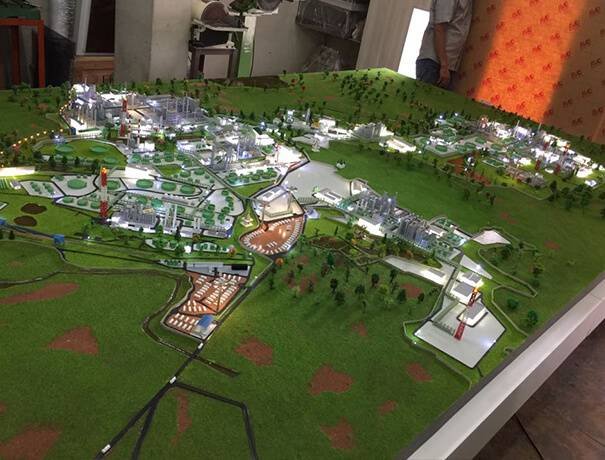
Physical representations of complex processing facilities, equipment arrangements, process relationships, and plant layouts.
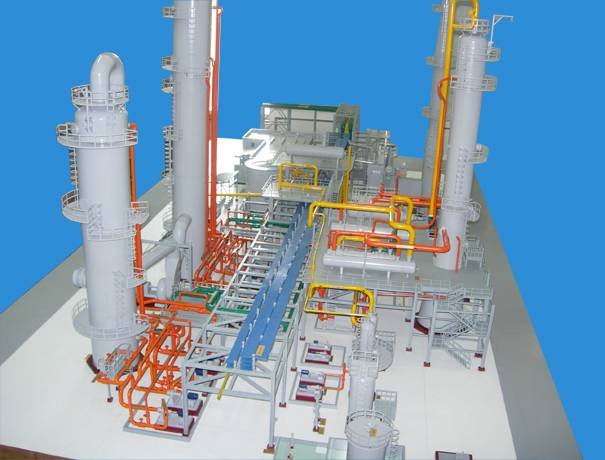
Detailed models representing chemical processing facilities, equipment, piping arrangements, structures, and plant systems.
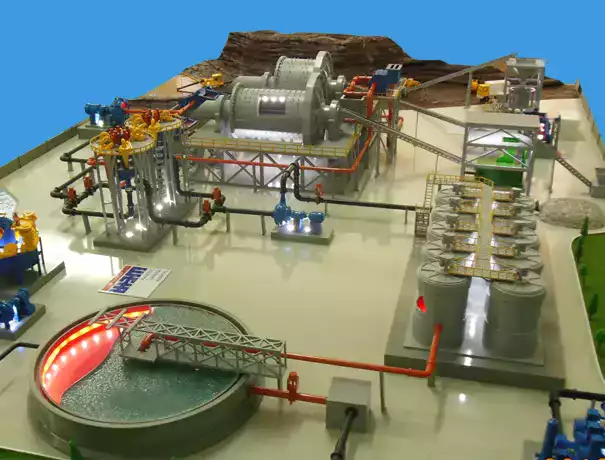
Customized models for oil and gas facilities, processing areas, equipment, pipelines, storage systems, and related infrastructure.
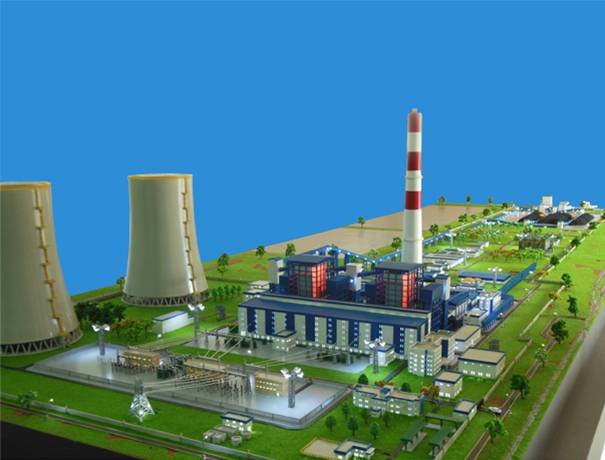
Large-scale physical representations of industrial campuses, facilities, production environments, utilities, and infrastructure.
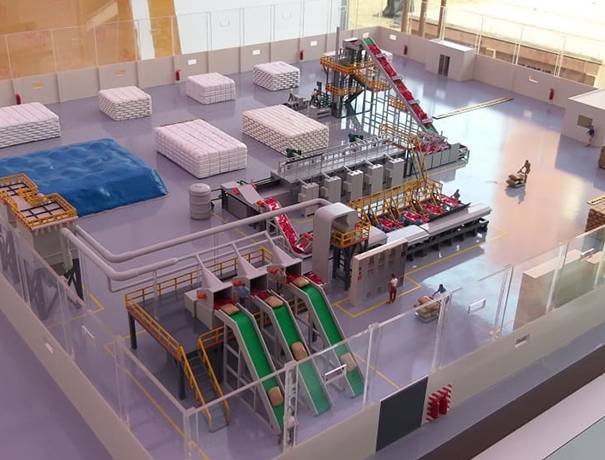
Interactive models that demonstrate processes and equipment through lighting, movement, automation, digital interfaces, and other functional features.
We begin by understanding the model, plant type, application, dimensions, scale, level of detail, functionality, installation environment, and project timeline.
Our team reviews available CAD drawings, plant layouts, 3D models, engineering drawings, photographs, equipment information, and other technical documentation.
The plant is scaled to a suitable physical size. Major structures, equipment, pipelines, platforms, buildings, and other components are developed through detailed digital design.
Individual components are fabricated using suitable materials and manufacturing techniques based on their size, shape, detail, and application.
Components are assembled into the overall plant model. Finishing, colour coding, labels, pipelines, structures, equipment, lighting, and other details are incorporated as required.
The completed model is inspected for dimensions, scale, component placement, finishing, structural integrity, functionality, and overall presentation.
The completed plant model is packaged and transported to the required location. Installation, commissioning, and testing can be provided where required.
A plant model provides a practical way to understand the relationship between different areas of an industrial facility.
It can help stakeholders visualize:
A physical representation can make complex plant information easier to communicate to engineering teams, management, investors, customers, trainees, students, visitors, and other stakeholders.
For applications requiring demonstration and interaction, we can develop working industrial plant models incorporating functional elements.
Depending on the project, these can include:
These models can be particularly useful for technical training, exhibitions, investor presentations, product demonstrations, educational applications, and corporate displays.
Material selection depends on the model’s size, complexity, application, environment, functionality, and required level of detail.
Potential materials and technologies include:
Our precision model manufacturing approach allows different materials and fabrication methods to be combined within a single plant model where appropriate.
Industrial plant models can support a wide range of business and technical applications.
Present complex plant layouts and engineering concepts to management, investors, customers, and stakeholders.
Use physical models to demonstrate equipment relationships, plant layouts, processes, and operational concepts.
Create an engaging physical representation of a facility or project for exhibitions and industry events.
Showcase manufacturing capabilities, facilities, projects, and engineering achievements in corporate environments.
Help students and trainees understand complex industrial systems through tangible physical representations.
Communicate proposed facilities and developments before construction or expansion.
Provide a common visual reference for technical and non-technical audiences.
Every project has different requirements. We can customize:
| Specification | Customization |
|---|---|
| Scale | Based on project requirements |
| Dimensions | Customized to available space |
| Level of Detail | Basic to highly detailed |
| Materials | Selected according to application |
| Finishing | Customized colours, textures and finishes |
| Lighting | LED and specialized lighting |
| Moving Parts | Available for working models |
| Process Simulation | Available for demonstration models |
| Branding | Logos, labels and identification |
| Controls | Interactive and programmable systems |
| Installation | Available where required |
Precise Engineering Models supports organizations across India and international markets with customized engineering and industrial model solutions.
Our project capabilities include:
For international and large-scale projects, requirements such as transportation, packaging, installation environment, dimensions, modular construction, and site access can be considered during the design stage.
Explore selected projects demonstrating our experience in developing physical representations of industrial facilities and engineering environments.
Each project can showcase:
Plant model making is evolving beyond traditional static displays.
Modern industrial plant models can integrate physical fabrication with digital design, automation, electronics, and interactive technology.
Future-focused solutions can combine:
This combination can transform a plant model from a static representation into an interactive engineering visualization and demonstration system.
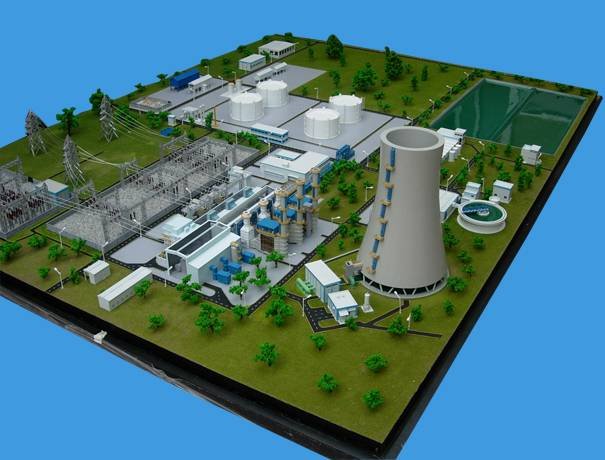
Large industrial models often represent significant projects and may be used for many years in corporate offices, exhibitions, training centres, museums, or educational environments.
Where appropriate, our approach can consider:
Designing for durability and adaptability can help extend the useful life of a plant model and reduce the need for complete replacement.
An industrial plant model is a physical scale representation of an industrial facility, including its buildings, structures, equipment, pipelines, utilities, process areas, and other important components.
We manufacture industrial plant models, power plant models, refinery models, process plant models, manufacturing plant models, chemical plant models, oil and gas plant models, industrial facility models, and working plant models.
Yes. Our plant models can be customized according to the project’s scale, dimensions, engineering drawings, CAD files, 3D models, materials, finishes, branding, lighting, moving components, automation, and intended application.
We can work with engineering drawings, CAD files, 3D models, plant layouts, photographs, equipment information, dimensions, desired scale, model application, functionality requirements, project timeline, and installation location.
Yes. Working models can include lighting, motorized components, rotating equipment, conveyor systems, process-flow demonstrations, automation, programmable controls, digital displays, and interactive interfaces.
Depending on the application, materials may include acrylic, PVC, ABS, MDF, wood, aluminium, brass, stainless steel, engineering plastics, resin, foam, and 3D-printed components.
The timeline depends on the size, scale, complexity, level of detail, materials, functionality, and finishing requirements. Standard projects may typically require 3–6 weeks, while large or highly customized installations may require 8–16 weeks.
Yes. We can develop both compact models and large industrial installations. The design and manufacturing approach is determined by the project’s size, complexity, transportation requirements, installation environment, and intended application
Yes. Depending on the project, services can include transportation coordination, delivery, on-site installation, commissioning, testing, maintenance, repairs, modifications, and upgrades.
Yes. Precise Engineering Models supports clients in India and international markets, with export packaging, transportation coordination, and installation support available where required.
A static model primarily represents the physical layout and appearance of a facility. A working plant model can additionally demonstrate movement, lighting, process flow, automation, equipment operation, or other interactive features.
From a detailed engineering scale model to an interactive industrial plant model, prototype, working demonstration, process-flow model, or exhibition display, Precise Engineering Models combines design, engineering, fabrication, and project management to deliver customized solutions. With 20+ years of experience, we help organizations transform complex engineering information into physical models that are easier to understand, demonstrate, present, and remember.