Custom Miniature Models Crafted With Precision & Detail
Choosing an experienced miniature model manufacturer is important when a project requires both visual quality and technical accuracy.
More than two decades of experience in engineering model manufacturing and customized physical model development.
Our team can interpret engineering drawings, CAD files, layouts, specifications, photographs, and technical information before developing the model.
Miniature models can be produced at different scales according to the subject, display area, viewing distance, transportation requirements, and application.
Small components, structures, equipment, finishes, labels, textures, and other details can be incorporated according to the required level of representation.
Our process combines digital design, fabrication, assembly, finishing, and inspection to achieve a consistent and detailed result.
Materials can be selected according to the model's size, level of detail, durability, appearance, and functionality.
Depending on requirements, models can incorporate lighting, movement, automation, process simulation, and interactive features.
From initial consultation to design, manufacturing, finishing, delivery, installation, and support, we can manage the model-making process end to end.
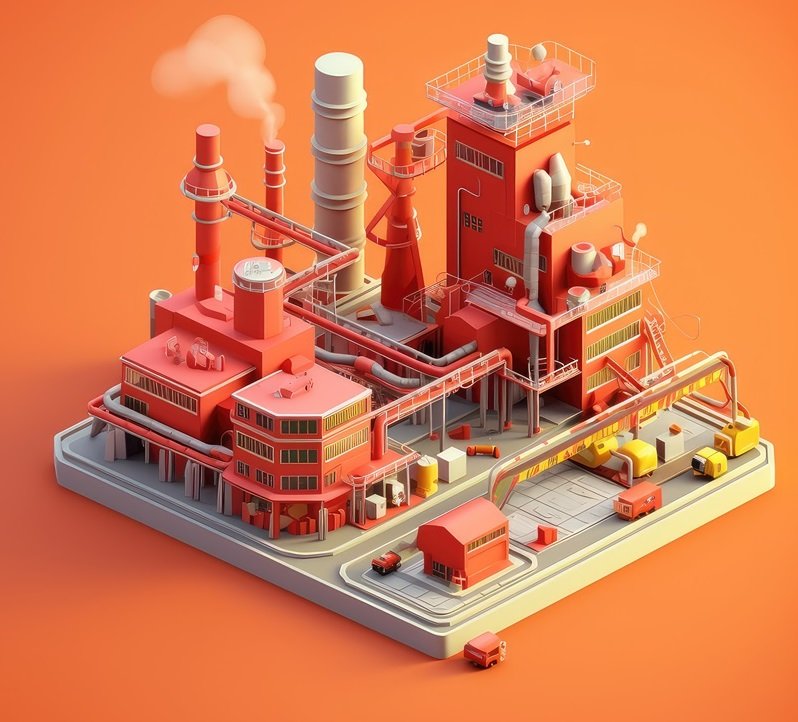
Precise Engineering Models specializes in the design and manufacturing of miniature models for engineering, industrial, architectural, product, infrastructure, educational, exhibition, and corporate applications.
With more than 20 years of experience, we combine engineering expertise, 3D CAD design, precision fabrication, detailed assembly, and professional finishing to transform complex structures, products, machinery, and facilities into highly detailed physical miniatures.
From small product miniatures to detailed industrial facilities or architectural development, each model is customized according to the required scale, dimensions, level of detail, materials, finish, functionality, and purpose.
Miniature models are scaled physical representations of real-world objects, products, buildings, machinery, industrial facilities, infrastructure, or engineering concepts.
They provide a tangible way to communicate details that may be difficult to understand through drawings, photographs, or digital presentations.
At Precise Engineering Models, miniature models can be developed as static displays, presentation models, educational models, product representations, or interactive working models. A carefully crafted miniature can help audiences understand :
Detailed physical representations of engineering structures, systems, machinery, equipment, and technical concepts. These models can support engineering presentations, training, education, exhibitions, and project visualization.
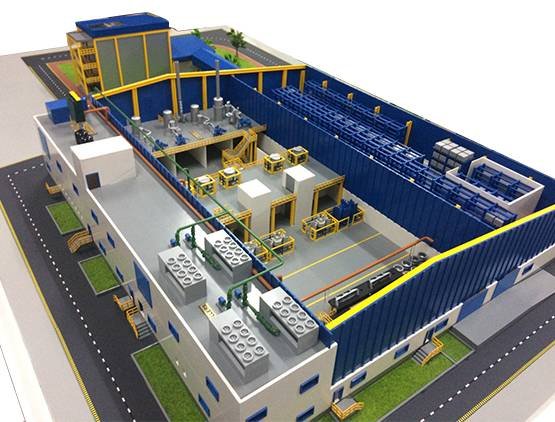
Miniature representations of industrial facilities, manufacturing environments, machinery, production systems, and technical installations.
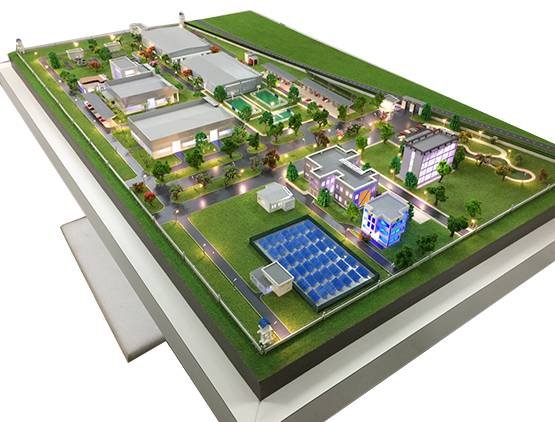
Detailed representations of power plants, refineries, process plants, manufacturing facilities, and other industrial installations.
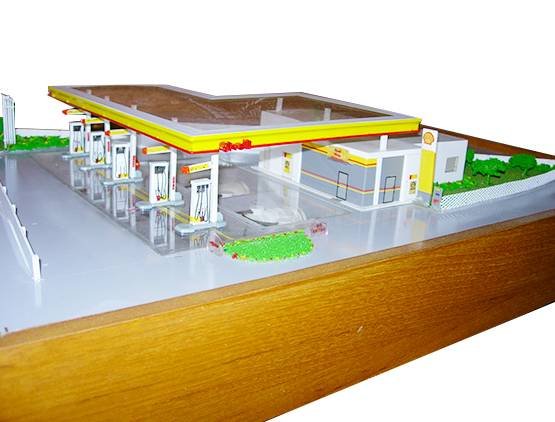
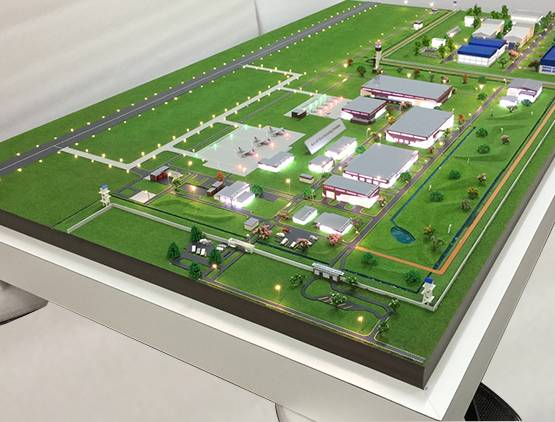
Physical representations of buildings, developments, infrastructure, campuses, layouts, and architectural concepts. These models can be used for presentations, exhibitions, planning, marketing, and stakeholder communication.
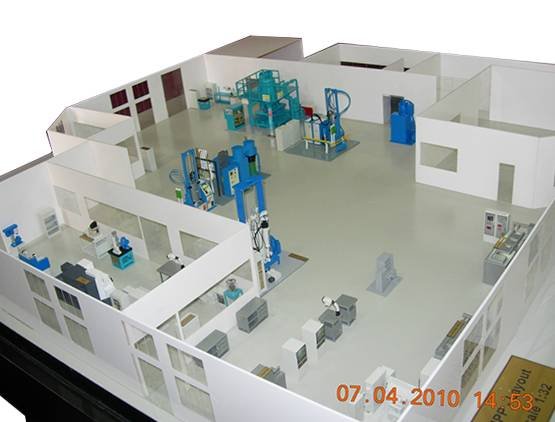
Detailed miniature versions of products, equipment, machinery, vehicles, components, and industrial products. They can be used for product presentations, demonstrations, marketing, exhibitions, and corporate displays.
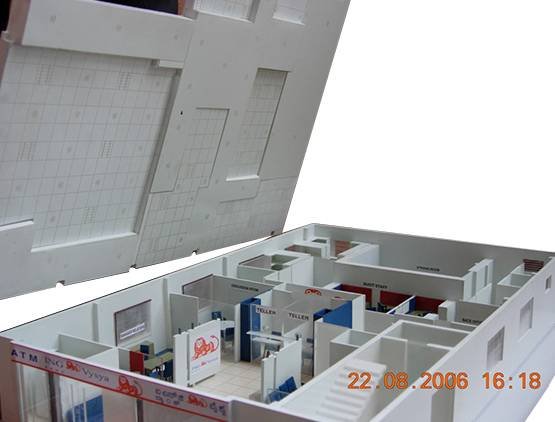
Detailed representations of machines, mechanical equipment, components, assemblies, and industrial systems.
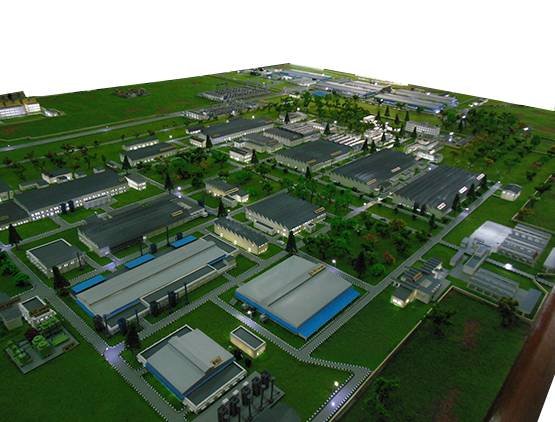
Models representing bridges, transportation systems, airports, rail infrastructure, urban developments, utilities, and other infrastructure projects.
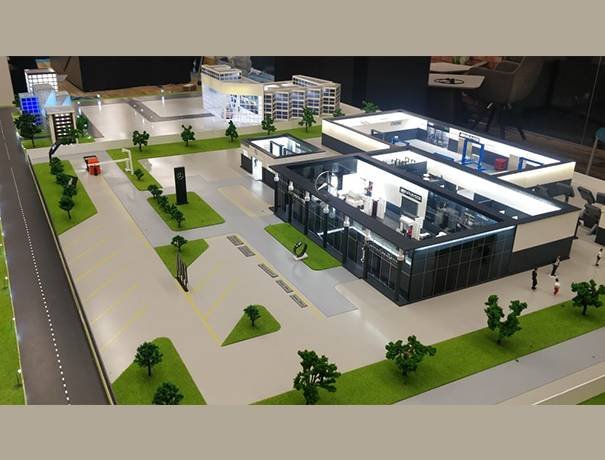
Functional miniature models that incorporate lighting, movement, rotating components, process demonstrations, automation, or interactive elements.
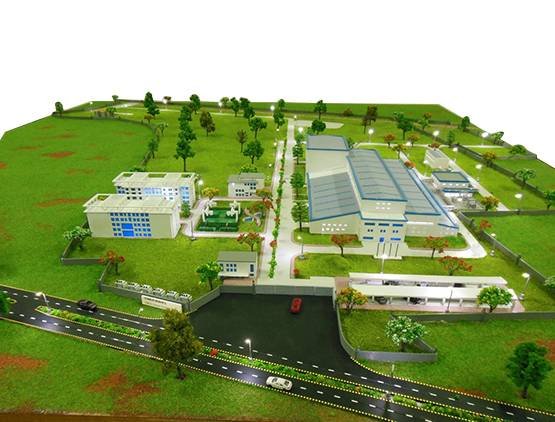
Visually detailed models developed specifically for trade shows, exhibitions, corporate events, museums, visitor centres, and public displays.
A miniature model can provide a physical overview of an object, facility, product, or project.
It can help communicate:
This makes miniature models valuable for engineers, architects, designers, management teams, investors, customers, students, trainees, visitors, and other stakeholders.
From Reference Material to Finished Miniature
We begin by understanding what needs to be represented, the purpose of the model, desired scale, dimensions, level of detail, display environment, functionality, and timeline.
Our team reviews CAD files, drawings, photographs, layouts, 3D models, specifications, and other available references.
The subject is converted into an appropriate scale. Digital design establishes proportions, dimensions, component relationships, and key details.
Components are carefully assembled to create the complete model. Equipment, structures, finishes, labels, branding, landscaping, lighting, and other elements are added where required.
he completed miniature is finished and inspected for scale, detail, component placement, structural integrity, appearance, and functionality.
The finished model can be securely packaged and transported. Installation, testing, and commissioning can also be provided where required.
A miniature model does not always need to be static.
Where the application requires demonstration or interaction, functional elements can be integrated into the model.
Possible features include:
Working miniature models can be particularly effective for technical training, education, exhibitions, demonstrations, product presentations, and corporate displays.
Showcase products, equipment, machinery, vehicles, and technical designs in a physical format.
Help explain complex engineering structures, systems, and concepts.
Present buildings, developments, campuses, infrastructure, and design concepts to clients and stakeholders.
Represent plants, manufacturing facilities, production systems, and industrial environments.
Provide students and trainees with tangible representations of technical concepts, equipment, processes, and structures.
Showcase facilities, projects, products, and engineering achievements in offices, reception areas, and visitor centres.
Create detailed physical representations that make complex subjects easier for visitors to understand.
Create visually engaging physical displays that attract visitors and communicate complex information quickly.
The value of a miniature model often comes from the details that bring the physical representation closer to the original subject.
Depending on the project, detailing can include:
The level of detail is selected according to the scale, viewing distance, purpose, available information, and project requirements.
| Specification | Customization |
|---|---|
| Scale | Selected according to the project |
| Dimensions | Customized to available space |
| Level of Detail | Basic to highly detailed |
| Materials | Selected according to application |
| Finishing | Customized colours, textures and finishes |
| Lighting | LED and specialized lighting |
| Moving components | Available for working models |
| Process Simulation | Available for demonstration models |
| Branding | Logos, labels and identification |
| Controls | Interactive and programmable systems |
| Installation | Available where required |
Our miniature model solutions can be customized for organizations across industries such as:
The design and level of detail are adapted to the technical and communication requirements of each industry.
Precise Engineering Models provides customized model-making solutions for clients across India and international markets.
Our project capabilities can include:
For larger or international projects, packaging, transportation, modular construction, installation conditions, and future modifications can be considered during the design stage.
Miniature models are often used for extended periods in corporate offices, exhibitions, museums, educational institutions, and visitor centres.
Where appropriate, our approach can consider:
This can help extend the useful life of a miniature model and allow it to adapt to changing presentation and communication requirements.
Miniature models are physical representations of real-world objects, structures, products, machinery, facilities, or engineering concepts created at a smaller scale.
We manufacture engineering miniature models, industrial miniature models, plant models, architectural miniatures, product miniatures, machinery models, infrastructure models, working models, and exhibition models.
Yes. We can develop customized models based on drawings, CAD files, 3D models, photographs, dimensions, specifications, reference samples, and other project information.
The scale depends on the original subject, available display space, required level of detail, viewing distance, transportation requirements, and intended application.
Yes. The level of detailing can be customized based on the selected scale, available engineering information, manufacturing feasibility, and desired presentation quality.
Yes. Working models can incorporate LED lighting, moving parts, rotating equipment, conveyors, process demonstrations, automation, digital displays, and interactive controls.
Depending on the project, materials can include acrylic, PVC, ABS, MDF, wood, aluminium, brass, stainless steel, engineering plastics, resin, foam, and 3D-printed components.
The timeline depends on scale, dimensions, complexity, level of detail, materials, functionality, and finishing requirements. Standard projects may typically require 3–6 weeks, while large or highly customized models may require 8–16 weeks.
Yes. Exhibition miniatures can be developed for trade shows, industry exhibitions, corporate events, museums, visitor centres, product launches, and technical presentations.
Yes. We can develop detailed miniature representations of manufacturing plants, power plants, refineries, process facilities, industrial sites, infrastructure, machinery, and other engineering environments.
Yes. Depending on the project, services can include packaging, transportation coordination, delivery, on-site installation, testing, commissioning, maintenance, repairs, and upgrades.
Yes. Precise Engineering Models supports clients in India and international markets, with export packaging, transportation coordination, and installation support where required.
Whether you need a custom miniature model, engineering miniature, industrial miniature, product model, architectural miniature, machinery model, working model, or exhibition display, Precise Engineering Models combines engineering expertise, digital design, precision manufacturing, and detailed craftsmanship.
With 20+ years of experience, we transform complex products, projects, structures, and facilities into physical models that are easier to visualize, explain, demonstrate, present, and remember.