Custom Prototype Model Making for Product Development & Engineering
From Product Concepts to Physical Prototypes
Choosing the right prototype model-making company is important when you need to transform product concepts, engineering designs, and technical specifications into physical representations.
More than two decades in scale model manufacturing and customized development.
We work with product drawings, CAD files, 3D models, technical specifications, and concept references to understand the design before manufacturing.
Every prototype can be customized according to product dimensions, scale, materials, appearance, functionality, and intended application.
Our manufacturing approach combines digital design, component fabrication, detailed assembly, surface finishing, and quality inspection.
Convert digital product designs and engineering concepts into physical models that help communicate proportions, components, form, and design intent.
From requirement analysis and design development to fabrication, assembly, inspection, delivery, and installation, we support the complete model-making process.
Depending on project requirements, prototypes can incorporate moving components, mechanical assemblies, LED lighting, motorized elements, and interactive features.
Our approach can incorporate 3D CAD development, 3D printing, CNC fabrication, precision cutting, material forming, component manufacturing, and specialized finishing.
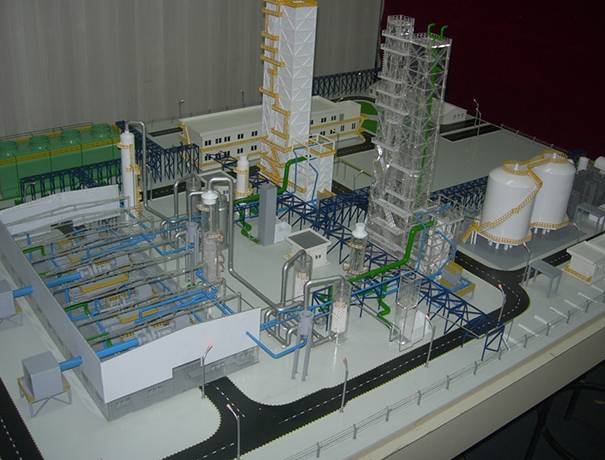
With more than 20 years of experience, Precise Engineering Models combines engineering expertise, digital design, precision fabrication, component assembly, and professional finishing to transform product concepts into detailed physical prototypes.
We specialize in customized prototype model making for engineering, manufacturing, industrial, automotive, infrastructure, energy, architecture, education, and product demonstration applications.
Our prototype models help organizations:
Whether you require a conceptual representation, a detailed product prototype, a display model, or a functional demonstration model, we develop solutions according to your project requirements.
Prototype model making is the process of developing physical representations of product concepts, engineering designs, components, equipment, and proposed products.
A prototype helps bridge the gap between a digital design and a physical product by allowing teams to visualize its form, dimensions, proportions, component arrangements, and overall appearance.
Depending on the intended application, prototypes can be developed as conceptual models, visual prototypes, detailed physical representations, demonstration models, or functional working models.
Product concept visualization, Product concept visualization, Industrial product development, Engineering design communication, Mechanical component demonstration, Product presentation and marketing, Design review and stakeholder discussions, Technical training and education, Exhibition and trade show displays, Corporate product showcases, Research and development presentations.
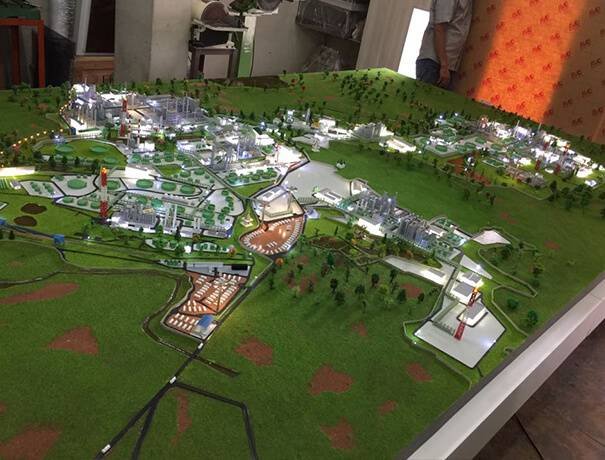
Physical representations of early-stage product concepts developed to communicate product form, dimensions, proportions, and design intent. These models are useful for concept presentations, internal reviews, and stakeholder discussions.
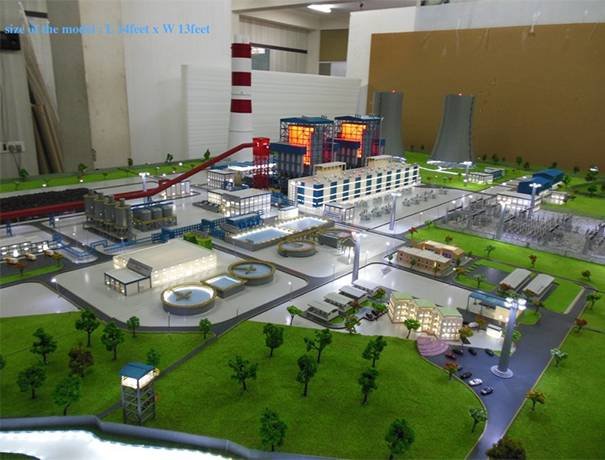
Detailed physical representations of industrial products, machinery, equipment, and manufactured components. They help demonstrate product design, physical configuration, and industrial applications.
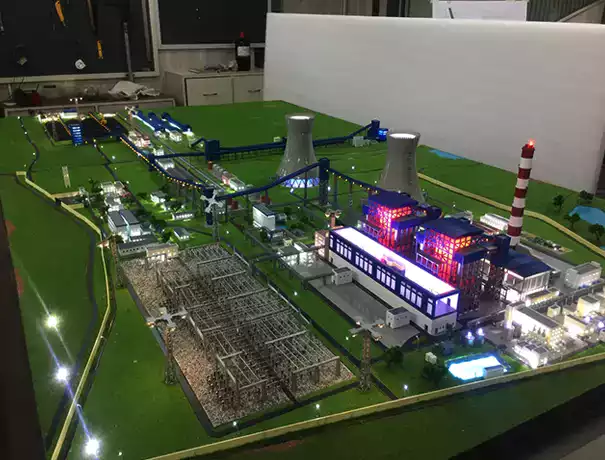
Models representing mechanical components, assemblies, mechanisms, machines, and engineering systems. They can be developed to demonstrate component relationships, assembly arrangements, and mechanical design concepts.
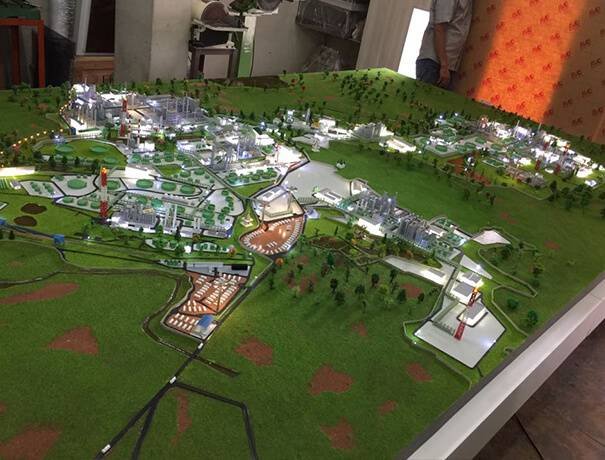
Physical representations of engineering concepts, technical designs, equipment, and proposed systems. These models help communicate engineering ideas in a tangible format.
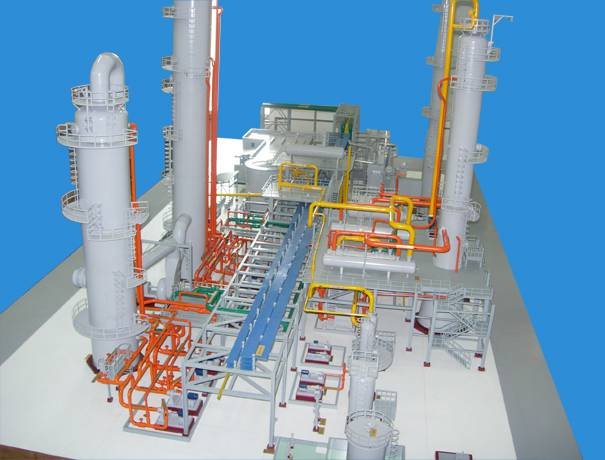
Prototype models incorporating selected working elements to demonstrate movement, mechanical operation, component interaction, or product functionality. Features can include motors, moving assemblies, rotating components, LED lighting, and controls, depending on requirements.
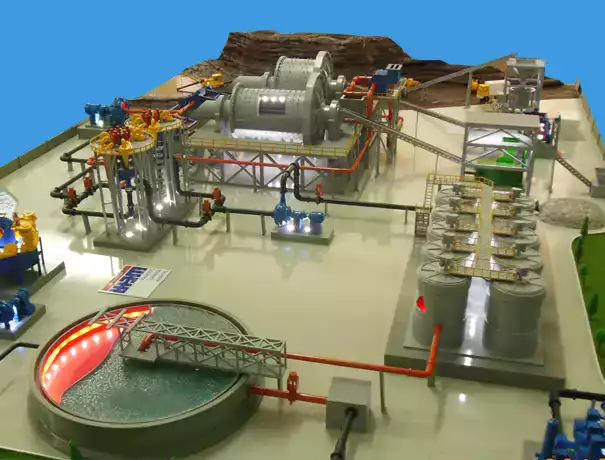
Physical representations of architectural concepts, infrastructure developments, structural systems, and proposed construction projects.
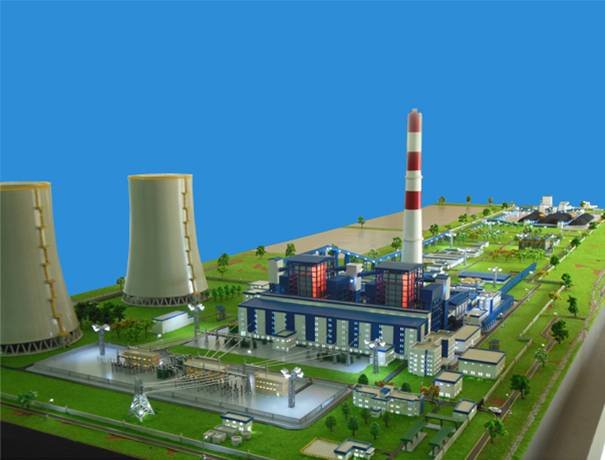
Customized models developed for exhibitions, trade shows, product launches, corporate presentations, and promotional displays.
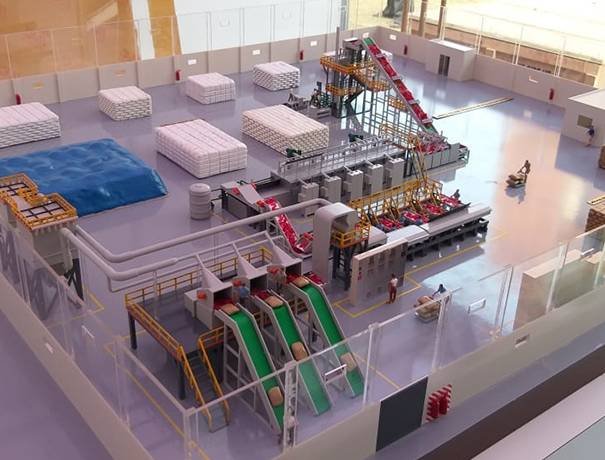
Proportional physical representations of products, machines, equipment, structures, and engineering concepts developed at selected scale ratios.
Models that expose internal components, mechanisms, assemblies, and product structures to explain how a product is constructed or operates.
From Product Concept to Physical Prototype
We understand the product concept, intended application, dimensions, scale, design requirements, level of detail, functionality, presentation needs, and project timeline.
Our team reviews available engineering drawings, CAD files, 3D models, product photographs, technical specifications, and reference documentation.
The product concept is translated into a digital representation to establish dimensions, proportions, component relationships, assemblies, and structural details.
Suitable materials and manufacturing methods are identified based on the prototype's geometry, appearance, durability, and intended use. Individual components are then fabricated.
Fabricated components are assembled, finished, and inspected for dimensions, alignment, component placement, appearance, and functionality where applicable.
The completed prototype is packaged and delivered to the required location. Installation, testing, and commissioning can be provided depending on project requirements.
Digital designs and engineering drawings communicate product information, but physical prototypes provide a tangible way to understand a proposed design.
A detailed prototype model can help visualize:
Physical prototypes provide a common reference for engineers, designers, management teams, customers, investors, and other stakeholders.
They can make product discussions more effective by allowing people to examine and understand a design in physical form.
Prototype models can also support presentations where digital drawings or computer-generated images alone may not communicate the intended product experience.
Some product development and presentation requirements involve more than visual representation.
Functional prototype models can incorporate selected mechanical and electronic elements to demonstrate how specific components or mechanisms operate.
Depending on project requirements, features can include:
These features can be incorporated into prototype models for technical demonstrations, product presentations, exhibitions, training, and educational applications.
Material selection plays an important role in the appearance, durability, weight, dimensional accuracy, and functionality of a prototype model.
Depending on project requirements, materials may include:
Different materials and manufacturing processes can be combined within a single prototype to achieve the required visual and technical outcome.
Material and process selection depends on the model’s intended purpose. A presentation prototype, for example, may prioritize appearance and finish, while a demonstration prototype may require additional mechanical or electronic features.
Convert early-stage product ideas and design concepts into physical representations for visualization and communication.
Use physical models to examine product proportions, component arrangements, external appearance, and design details.
Create detailed prototype displays that communicate product features and attract industry audiences.
Showcase product designs, manufacturing capabilities, innovations, and engineering achievements.
Help students, researchers, and trainees understand product design and engineering concepts through physical representations.
Represent industrial equipment, machinery, manufactured components, and proposed product configurations.
Present product technologies, engineering developments, and technical concepts in an accessible physical format.
Present mechanical systems, engineering concepts, product assemblies, and technical arrangements in a tangible format.
| Specification | Customization |
|---|---|
| Prototype Type | Conceptual, visual, display, detailed or functional |
| Scale ratio | Full-size or selected scale, as required |
| Dimensions | Customized according to product design |
| Level of Detail | Basic to highly detailed |
| Materials | Selected according to application |
| Finishing | Customized colours, textures and finishes |
| Component Representation | Customized product and assembly details |
| Mechanical Features | Moving and functional elements, where required |
| Lighting | LED and specialized lighting |
| Moving Parts | Available for working models |
| Electronics | Selected electronic components and controls |
| Branding | Logos, labels and identification |
| Presentation | Display bases, mounting and protective enclosures |
| Installation | Available where required |
Precise Engineering Models supports engineering and industrial organizations with customized physical model solutions for projects across India and international markets.
Our project capabilities can include:
For larger and international projects, transportation, packaging, modular construction, installation conditions, and site requirements can be considered during the design stage.
Our customized prototype model solutions can support organizations across various industries, including:
Prototype model manufacturing continues to evolve with advances in digital design, fabrication, automation, materials, and interactive technology.
Modern prototype development can combine physical manufacturing with:
These technologies create opportunities to develop prototypes that serve as more than physical representations. They can become valuable tools for product visualization, engineering communication, demonstration, and training.
At Precise Engineering Models, we focus on combining appropriate manufacturing techniques and engineering details to develop prototypes based on each project’s requirements.
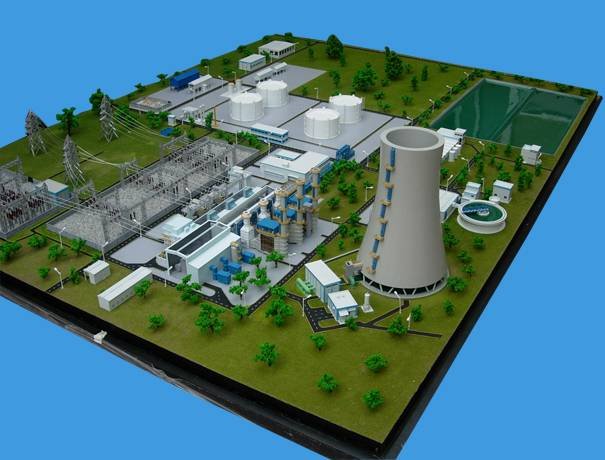
Sustainability is an important consideration in modern manufacturing and product development.
Where appropriate, our prototype model-making approach can consider:
Designing prototypes for durability, adaptability, and reuse can help extend their useful life across product presentations, exhibitions, training programs, and corporate displays.
Prototype model making is the process of creating physical representations of product concepts, engineering designs, components, and proposed products. These models are used for visualization, design communication, demonstrations, presentations, and other product development applications.
We develop customized product concept models, industrial product prototypes, mechanical prototype models, engineering prototypes, functional models, scale prototypes, cutaway models, and exhibition display models.
Precise Engineering Models specializes in customized physical model manufacturing, combining engineering interpretation, digital design, fabrication, assembly, and finishing. Our experience spans more than 20 years in engineering and customized model development.
Yes. We can work with CAD files, 3D models, engineering drawings, product designs, technical specifications, photographs, and other project references to develop customized physical prototypes.
A prototype is generally developed to represent a proposed product or design, while a scale model focuses on representing an object or system at a particular proportional size. A prototype can be full-size or scaled, depending on its intended application.
Yes. Depending on project requirements, functional prototypes can incorporate selected moving components, motorized mechanisms, LED lighting, electronic controls, rotating assemblies, and interactive features.
Materials may include acrylic, PVC, ABS, MDF, wood, aluminium, brass, stainless steel, engineering plastics, resin, foam, and 3D-printed materials. Selection depends on the design, appearance, durability, and intended use.
Yes. We can develop physical representations of industrial equipment, machinery, mechanical assemblies, manufactured components, and engineering systems.
We can review available engineering information and support 3D CAD development and physical model manufacturing according to project requirements.
The timeline depends on the prototype’s size, complexity, materials, level of detail, functionality, and finishing requirements. A project schedule is determined after reviewing the design and scope. Larger or highly customized projects may require additional development and manufacturing time.
You can share product drawings, CAD files, 3D models, photographs, dimensions, desired scale, materials, functionality requirements, intended application, project timeline, and delivery location.
Yes. We develop customized display and demonstration models for exhibitions, trade shows, product launches, corporate presentations, and other promotional applications.
Yes. Depending on project requirements, support can include packaging, transportation coordination, delivery, installation, testing, commissioning, repairs, and upgrades.
Yes. Precise Engineering Models supports clients in India and international markets, with export packaging, transportation coordination, and installation support where required.
Whether you need a custom product prototype, engineering prototype, industrial prototype, mechanical model, functional prototype, scale prototype, or product demonstration model, Precise Engineering Models combines engineering understanding, digital design, precision fabrication, and craftsmanship to create customized physical solutions.
With more than 20 years of experience, we help organizations transform product concepts and engineering information into physical models that are easier to visualize, explain, demonstrate, and present.
We use cookies to improve your experience on our site. By using our site, you consent to cookies.
Manage your cookie preferences below:
Essential cookies enable basic functions and are necessary for the proper function of the website.
These cookies are needed for adding comments on this website.
Marketing cookies are used to follow visitors to websites. The intention is to show ads that are relevant and engaging to the individual user.
Google Maps is a web mapping service providing satellite imagery, real-time navigation, and location-based information.
Service URL: policies.google.com (opens in a new window)