Custom Physical Models Crafted With Precision & Detail
Choosing the right physical model maker matters when your project requires accurate interpretation of drawings, fine detailing, and dependable professional finishing.
More than two decades of experience in engineering model manufacturing and customized working model development.
We work with drawings, CAD files, specifications, and layouts to understand the project before fabrication begins.
Every model can be customized according to dimensions, scale, materials, functionality, finishing, branding, and display application.
Our manufacturing approach combines digital design, component fabrication, detailed assembly, surface finishing, and quality inspection.
We can incorporate structures, equipment, landscaping, figures, vehicles, signage, labels, colour coding, and other details according to project requirements.
Physical models can include LED lighting, motorized components, moving mechanisms, automation, process simulation, and digital interfaces.
From requirement analysis and design to fabrication, assembly, inspection, delivery, and installation, we support the complete model-making process.
Our approach can incorporate 3D CAD development, 3D printing, CNC fabrication, precision cutting, component manufacturing, and specialized finishing.
With more than 20 years of experience, we combine engineering knowledge, 3D CAD development, precision fabrication, hand craftsmanship, and professional finishing to transform drawings, plans, and concepts into detailed physical models.
Precise Engineering Models specializes in physical model making, the design and manufacturing of custom physical models for industrial, architectural, infrastructure, energy, mechanical, educational, and technical applications.
Our physical models help organizations visualize designs, communicate ideas, support sales and marketing, assist training, and present projects to stakeholders with clarity and impact.
Physical model making is the craft and technology of building three-dimensional, tangible representations of products, buildings, machinery, facilities, landscapes, systems, and engineering projects.
A physical model closes the gap between drawings and real-world understanding by letting people see proportions, relationships, and details at a glance, from every angle.
At Precise Engineering Models, we develop physical models for applications such as:
Depending on the application, models can be developed as static display models, detailed scale models, sectional models, working models, or interactive demonstration models.
Industrial models are physical representations of industrial facilities, machinery, processes, production systems, products, and engineering environments.
They provide a tangible way to understand relationships that can be difficult to communicate through drawings, photographs, presentations, or digital screens alone.
A well-designed model can show:
Precise Engineering Models develops both static and working industrial models, depending on the project's objectives and technical requirements.
As an experienced physical model maker, we understand that every project has different technical, visual, and display requirements. A model built for a boardroom has different needs from one built for a trade show or a training centre.
Our custom approach focuses on translating project information into accurate, visually detailed, and durable physical representations.
We can work with:
Our team evaluates the available information to determine the appropriate scale, dimensions, materials, fabrication techniques, level of detail, and functionality.
The objective is to deliver physical models that combine accuracy, visual appeal, durability, and presentation quality.
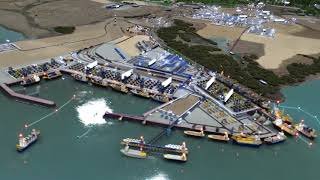
Detailed physical representations of buildings, facilities, equipment, and systems developed at precise scale ratios.
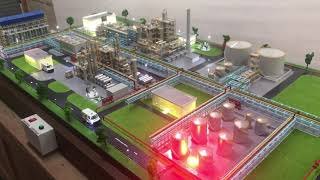
Representations of industrial facilities, plants, machinery, production environments, and infrastructure.
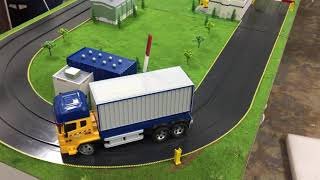
Models of buildings, campuses, townships, landscapes, and urban developments for design review and promotion.
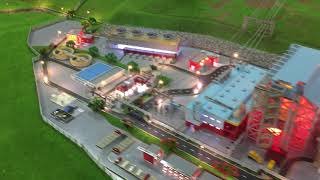
Physical models of products, equipment, and components developed for display, evaluation, and demonstration.
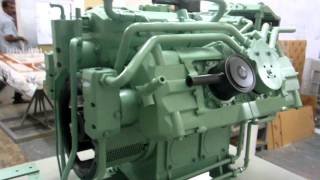
Physical representations of machines, assemblies, mechanisms, and engineering systems that show component relationships and operating principles.
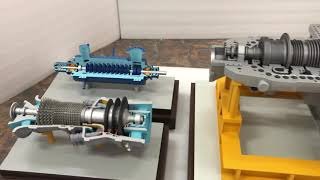
Models of bridges, railways, airports, ports, dams, water systems, and transport networks.
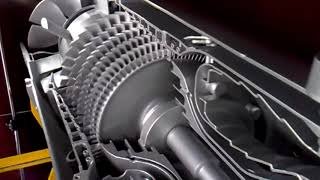
Functional models incorporating movement, lighting, rotating components, process demonstrations, automation, and interactive features.
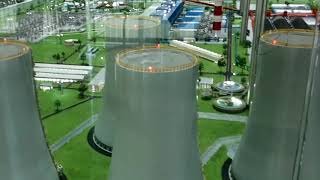
Models illustrating historical city layouts, architectural developments, urban environments, and changes in settlement patterns.
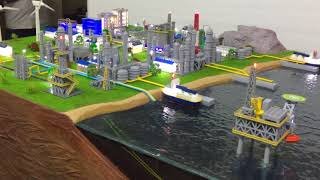
Models developed for industry exhibitions, product launches, corporate lobbies, showrooms, museums, and educational environments.
Drawings and digital renders communicate information, but a physical model lets people walk around a project, examine it from any angle, and grasp scale and relationships instantly.
A detailed physical model can help visualize:
Physical models provide a common visual reference for engineers, management teams, customers, investors, government bodies, students, and the general public.
They are particularly valuable when explaining complex projects to audiences without specialized technical knowledge.
We understand the subject, purpose, dimensions, scale, level of detail, display environment, functionality, audience, and project timeline.
Our team reviews available drawings, CAD files, 3D models, site plans, layouts, specifications, photographs, and reference documentation.
The subject is translated into a digital model, establishing scale, proportions, dimensions, component relationships, and construction details.
Individual elements are produced using suitable materials and fabrication methods based on their geometry, size, and the visual and functional needs of the model.
The model is assembled, painted, detailed, and inspected for scale accuracy, component placement, structural integrity, appearance, and functionality.
The model is packaged and transported to the required location. Installation, display setup, and commissioning can be provided depending on project requirements.
Some applications require more than a static display.
Our working physical models can incorporate functional elements to demonstrate movement, operations, process relationships, and system interactions.
Depending on project requirements, features can include:
These models can support presentations, training, exhibitions, education, sales, and corporate displays.
Convert drawings and digital designs into physical representations that are easier to understand.
Present products, developments, and facilities in a tangible format that attracts and informs buyers.
Showcase proposed developments and engineering projects to clients, investors, and approving authorities.
Provide physical references for discussions involving layouts, facilities, and proposed developments.
Present complex technologies, history, and developments in an accessible physical format.
Help students, researchers, and trainees understand concepts through physical representations.
Showcase proposed developments and engineering projects to clients, investors, and approving authorities.
Showcase projects, products, achievements, and manufacturing capabilities in lobbies and showrooms.
Physical model making continues to evolve with advances in digital design, fabrication, electronics, and interactive technology, while traditional craftsmanship remains central to quality.
Precise Engineering Models supports engineering, industrial, and development organizations with customized physical model solutions across India and international markets.
Our capabilities can include:
For larger and international projects, transportation, packaging, modular construction, installation conditions, and site requirements can be considered during the design stage.
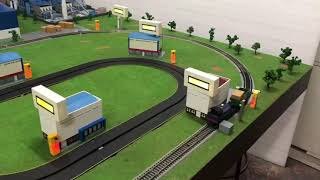
Sustainability is an important consideration in modern manufacturing and product development.
Where appropriate, our model-making approach can consider:
Designing models for durability and adaptability can help extend their useful life across presentations, exhibitions, training programs, and long-term displays.
Physical model making is the process of building tangible, three-dimensional representations of products, buildings, machinery, facilities, and engineering projects for visualization, presentation, demonstration, and training.
We manufacture scale models, industrial models, architectural models, product models, mechanical models, infrastructure models, working models, cutaway models, and exhibition models.
Yes. Precise Engineering Models specializes in customized physical model making, combining engineering interpretation, 3D CAD development, fabrication, assembly, finishing, and installation.
Yes. We can work with drawings, CAD files, 3D models, site plans, layouts, photographs, and other references to develop customized physical models.
A digital model exists on a screen and is viewed through software. A physical model is a tangible object that people can walk around, examine, and touch, which often makes scale and relationships easier to understand. Many projects use both.
Yes. Depending on project requirements, working models can incorporate LED lighting, motorized components, moving mechanisms, automation, process demonstrations, and interactive controls.
Materials may include acrylic, PVC, ABS, MDF, wood, aluminium, brass, stainless steel, engineering plastics, resin, foam, and 3D-printed components.
The scale is selected according to the subject, the level of detail required, and the available display space. We help you choose an appropriate ratio during requirement analysis.
The timeline depends on model size, scale, complexity, materials, level of detail, functionality, and finishing. Standard projects may typically require 3–6 weeks, while large or highly customized projects may require 8–16 weeks.
You can share drawings, CAD files, 3D models, photographs, dimensions, desired scale, materials, functionality requirements, intended application, project timeline, and delivery location.
Yes. Depending on the project, support can include transportation coordination, delivery, installation, display setup, maintenance, repairs, and upgrades.
Yes. Precise Engineering Models supports clients in India and international markets, with export packaging, transportation coordination, and installation support where required.
Whether you need a scale model, industrial model, architectural model, mechanical model, working model, or exhibition display model, Precise Engineering Models combine engineering expertise, digital design, precision fabrication, and craftsmanship to create customized physical models.
With more than 20 years of experience, we help organizations transform drawings and concepts into physical models that are easier to visualize, explain, present, and remember.
We use cookies to improve your experience on our site. By using our site, you consent to cookies.
Manage your cookie preferences below:
Essential cookies enable basic functions and are necessary for the proper function of the website.
These cookies are needed for adding comments on this website.
Marketing cookies are used to follow visitors to websites. The intention is to show ads that are relevant and engaging to the individual user.
Google Maps is a web mapping service providing satellite imagery, real-time navigation, and location-based information.
Service URL: policies.google.com (opens in a new window)