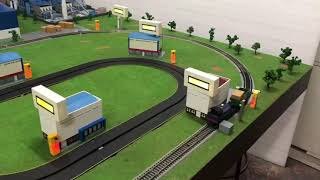
Custom Product Models for Design Visualization & Product Presentation
Choosing the right product model-making company matters when you need to transform product concepts, designs, engineering drawings, and digital product information into detailed physical models.
At Precise Engineering Models, we combine engineering understanding, 3D CAD development, precision fabrication, component assembly, and professional finishing to create customized product models.
Transforming Product Ideas Into Detailed Physical Models
More than two decades of experience in engineering model manufacturing and customized physical model development.
We work with product drawings, CAD files, 3D models, design concepts, technical specifications, and reference images to understand the product before manufacturing.
Every model can be customized according to dimensions, scale, materials, shape, detailing, functionality, finishing, branding, and intended application.
Our manufacturing approach combines digital design, component fabrication, detailed assembly, surface finishing, and quality inspection.
We can represent product shapes, external surfaces, component arrangements, mechanical assemblies, product features, labels, and branding according to project requirements.
Depending on project requirements, product models can incorporate moving parts, motorized components, rotating mechanisms, LED lighting, electronic elements, and interactive controls.
Our approach can incorporate 3D CAD development, 3D printing, CNC fabrication, precision cutting, component manufacturing, and specialized finishing.
From requirement analysis and design development to fabrication, assembly, inspection, delivery, and installation, we support the complete model-making process.
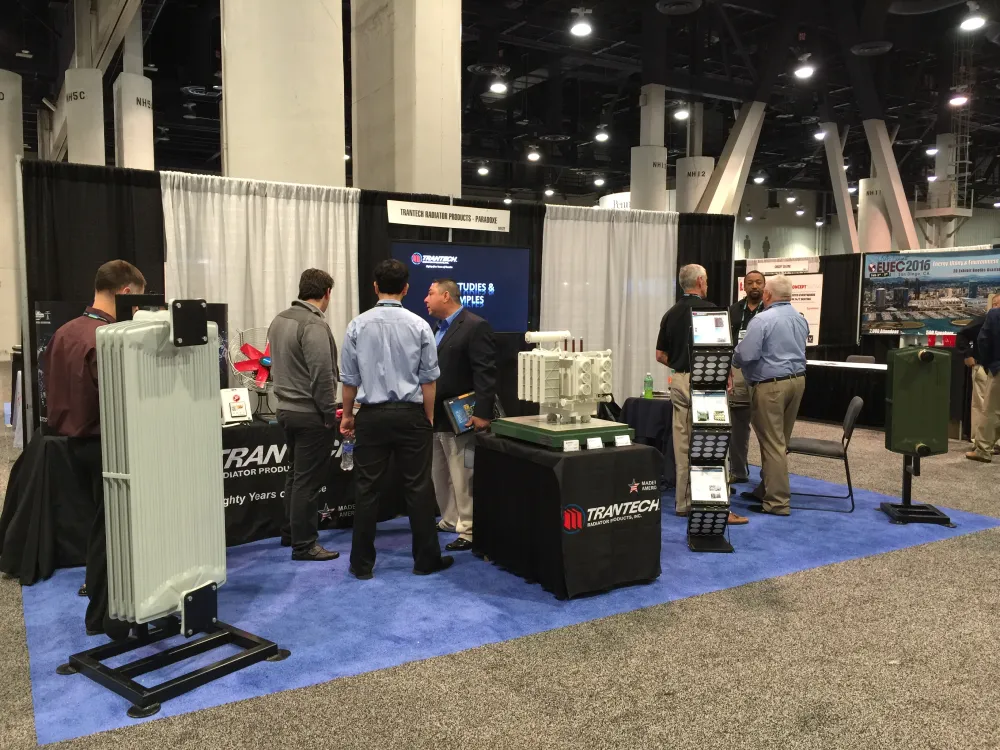
With more than 20 years of experience, Precise Engineering Models combines engineering expertise, 3D CAD development, precision fabrication, component assembly, and professional finishing to transform product concepts into detailed physical models.
We develop customized product models for manufacturers, engineering companies, product developers, industrial organizations, marketing teams, research centres, educational institutions, and exhibition organizers.
Our product models help organizations:
Whether you need a detailed product display model, a customized product representation, a mechanical product model, or a functional demonstration model, we develop solutions according to your requirements.
Product model making is the process of creating physical representations of products, equipment, machines, consumer goods, industrial components, and proposed product designs.
These models help organizations visualize product appearance, dimensions, proportions, components, and design features in a tangible format.
Product models can be developed for design communication, product demonstrations, corporate presentations, exhibitions, marketing displays, technical training, and educational applications.
At Precise Engineering Models, product model making supports applications such as:
Depending on the intended application, models can be developed as conceptual representations, detailed display models, scale models, cutaway models, or functional working models.
Industrial models are physical representations of industrial facilities, machinery, processes, production systems, products, and engineering environments.
They provide a tangible way to understand relationships that can be difficult to communicate through drawings, photographs, presentations, or digital screens alone.
A well-designed model can show:
Precise Engineering Models develops both static and working industrial models, depending on the project's objectives and technical requirements.
As an experienced custom product model manufacturer, we understand that every product has different dimensions, shapes, component arrangements, materials, finishing requirements, and presentation objectives.
Our product model-making approach focuses on translating product information into accurate and visually detailed physical representations.
We can work with:
Our team evaluates the available information to determine the appropriate scale, dimensions, materials, fabrication techniques, detailing, finishing, and functional features.
The objective is to deliver product models that combine design accuracy, visual appeal, technical understanding, and professional presentation quality.
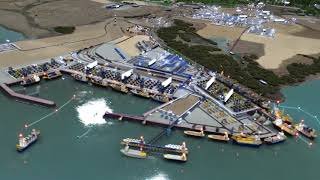
Detailed physical representations of industrial equipment, machinery, manufactured products, components, and technical systems.
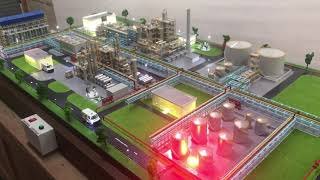
Models representing mechanical products, components, assemblies, mechanisms, equipment, and engineering systems.
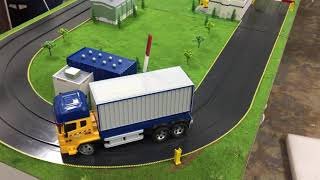
Physical representations of consumer products, appliances, household products, electronic products, and customized product concepts.
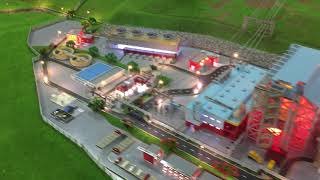
Detailed models developed for corporate showrooms, exhibitions, retail displays, product launches, and customer presentations.
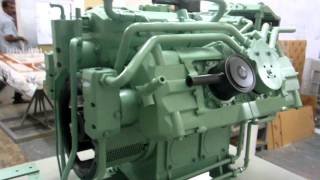
Physical representations of early-stage product ideas developed to communicate shape, dimensions, proportions, and design intent.
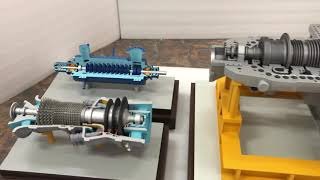
Product models incorporating selected working components, mechanical movement, motorized features, lighting, and electronic controls.
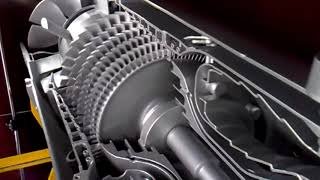
Proportional representations of products, machinery, equipment, and components developed at selected scale ratios.
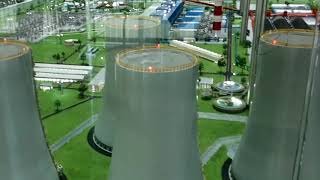
Models that expose internal components, mechanisms, product construction, and assembly arrangements to demonstrate how a product is designed.
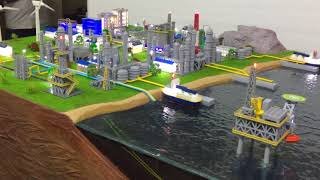
Customized models developed to demonstrate product features, applications, construction, and functionality.
Physical representations of product designs and concepts developed for visualization, design communication, and demonstration.
Customized physical product displays for trade shows, industry events, product launches, and marketing presentations.
Product drawings, renders, and digital designs communicate important information. Physical product models provide another way to examine product form, proportions, components, and appearance.
A detailed product model can help visualize:
Physical models provide a common reference for product designers, engineers, management teams, customers, investors, marketing teams, and other stakeholders.
They can be particularly useful when presenting products at exhibitions, corporate showrooms, product launches, and technical demonstrations.
We understand the product concept, intended application, dimensions, scale, appearance, level of detail, functionality, display requirements, and project timeline.
Our team reviews product drawings, CAD files, 3D models, technical specifications, photographs, design references, and component information.
The product design is translated into a digital representation to establish dimensions, proportions, product geometry, component relationships, and assembly details.
Individual product components are manufactured using suitable materials and fabrication methods based on their geometry, dimensions, and intended application.
Fabricated components are assembled and finished. The completed model is inspected for dimensions, alignment, surface quality, appearance, and functionality where applicable.
The completed product model is packaged and delivered to the required location. Installation, testing, and commissioning can be provided depending on project requirements.
Some product presentations require more than a static physical representation.
Working product models can incorporate selected functional elements to demonstrate product movement, mechanical operation, component relationships, and interactive features.
Depending on project requirements, features can include:
These models can support product presentations, customer demonstrations, technical training, exhibitions, and educational environments.
Material selection plays an important role in the appearance, durability, weight, dimensional accuracy, and functionality of a product model.
Depending on project requirements, materials may include:
Manufacturing techniques and technologies may include:
Different materials and manufacturing processes can be combined within a single product model to achieve the required technical and visual outcome.
Convert product concepts, digital designs, and engineering drawings into physical representations.
Showcase products through detailed physical models at showrooms, exhibitions, product launches, and customer presentations.
Explain product features, component arrangements, mechanical systems, and selected functional elements.
Present product designs, assemblies, and technical developments in a tangible format.
Showcase products, innovations, and manufacturing capabilities in corporate offices and experience centres.
Create customized product models that help communicate design features and attract industry audiences.
Use physical product models to explain components, construction, mechanisms, and operating principles.
Provide a physical representation of a proposed or existing product for stakeholder discussions.
Help students, researchers, and trainees understand product design and engineering concepts.
Our customized product models can support organizations across:
Each model is developed according to the product’s design requirements, intended application, level of detail, and presentation objectives.
| Specification | Customization |
|---|---|
| Model Type | Conceptual, display, scale, sectional or functional |
| Scale Ratio | Full-size or selected scale |
| Dimensions | Customized according to product design |
| Level of Detail | Basic to highly detailed |
| Product Geometry | Customized shapes and proportions |
| Components | Product parts and assembly representation |
| Materials | Selected according to application |
| Mechanical Features | Moving and functional components |
| Finishing | Colours, textures and surface finishes |
| Lighting | LED and specialized lighting |
| Electronics | Selected electronic systems and controls |
| Branding | Logos, labels and product identification |
| Display Base | Customized mounting and presentation |
| Installation | Available where required |
Precise Engineering Models supports product manufacturers, engineering organizations, industrial companies, and product development teams with customized physical model solutions.
Our capabilities can include:
For larger and international projects, transportation, packaging, modular construction, installation conditions, and site requirements can be considered during the design stage.
Our project portfolio can showcase product models developed for industrial equipment, mechanical components, consumer products, automotive applications, engineering systems, and corporate product presentations.
Each case study can highlight:
Product model manufacturing continues to evolve with advances in digital design, fabrication, automation, materials, and interactive technology.
Modern product models can combine physical manufacturing with:
These technologies create opportunities to develop product models that serve as more than physical representations. They can become valuable tools for product visualization, demonstration, marketing, technical communication, and training.
Where appropriate, our model-making approach can consider:
Designing product models for durability and adaptability can help extend their useful life across product launches, exhibitions, training programs, corporate displays, and educational applications.
Product model making is the process of creating physical representations of products, equipment, machinery, components, and proposed product designs. These models are used for visualization, demonstrations, presentations, marketing, training, and technical communication.
We develop industrial product models, mechanical product models, consumer product models, product display models, concept models, functional models, scale models, cutaway models, and exhibition models.
Precise Engineering Models specializes in customized physical model manufacturing, combining engineering interpretation, digital design, fabrication, assembly, and finishing. Our experience spans more than 20 years in engineering and customized model development.
Yes. We can work with CAD files, 3D models, product drawings, engineering specifications, photographs, renders, and other design references to develop customized physical product models.
Yes. We develop customized product display models for showrooms, exhibitions, product launches, corporate presentations, and customer demonstrations.
Yes. Depending on project requirements, models can incorporate moving components, motorized mechanisms, rotating assemblies, LED lighting, electronic controls, and interactive features.
Materials may include acrylic, PVC, ABS, MDF, wood, aluminium, brass, stainless steel, engineering plastics, resin, foam, and 3D-printed components.
A product model is generally created to represent a product’s appearance, design, components, or presentation requirements. A prototype is typically developed to represent a proposed product or design for further development, evaluation, or demonstration. Some projects can serve both purposes.
The timeline depends on product dimensions, complexity, materials, detailing, functionality, finishing, and installation requirements. A project schedule is determined after reviewing the design and scope.
You can share product drawings, CAD files, 3D models, photographs, dimensions, desired scale, materials, functionality requirements, intended application, project timeline, and delivery location.
Yes. We develop customized physical product models for exhibitions, trade shows, product launches, corporate displays, and promotional presentations.
Yes. Depending on project requirements, support can include packaging, transportation coordination, delivery, installation, testing, commissioning, repairs, and upgrades.
Yes. We support projects across India and international markets, with export packaging, transportation coordination, and installation support where required.
Whether you need a custom product model, industrial product model, mechanical model, product display model, functional product model, scale model, or product demonstration model, Precise Engineering Models combines engineering understanding, digital design, precision fabrication, and craftsmanship to create customized physical solutions.
With more than 20 years of experience, we help organizations transform product designs and concepts into physical models that are easier to visualize, explain, demonstrate, present, and remember.
We use cookies to improve your experience on our site. By using our site, you consent to cookies.
Manage your cookie preferences below:
Essential cookies enable basic functions and are necessary for the proper function of the website.
These cookies are needed for adding comments on this website.
Marketing cookies are used to follow visitors to websites. The intention is to show ads that are relevant and engaging to the individual user.
Google Maps is a web mapping service providing satellite imagery, real-time navigation, and location-based information.
Service URL: policies.google.com (opens in a new window)